
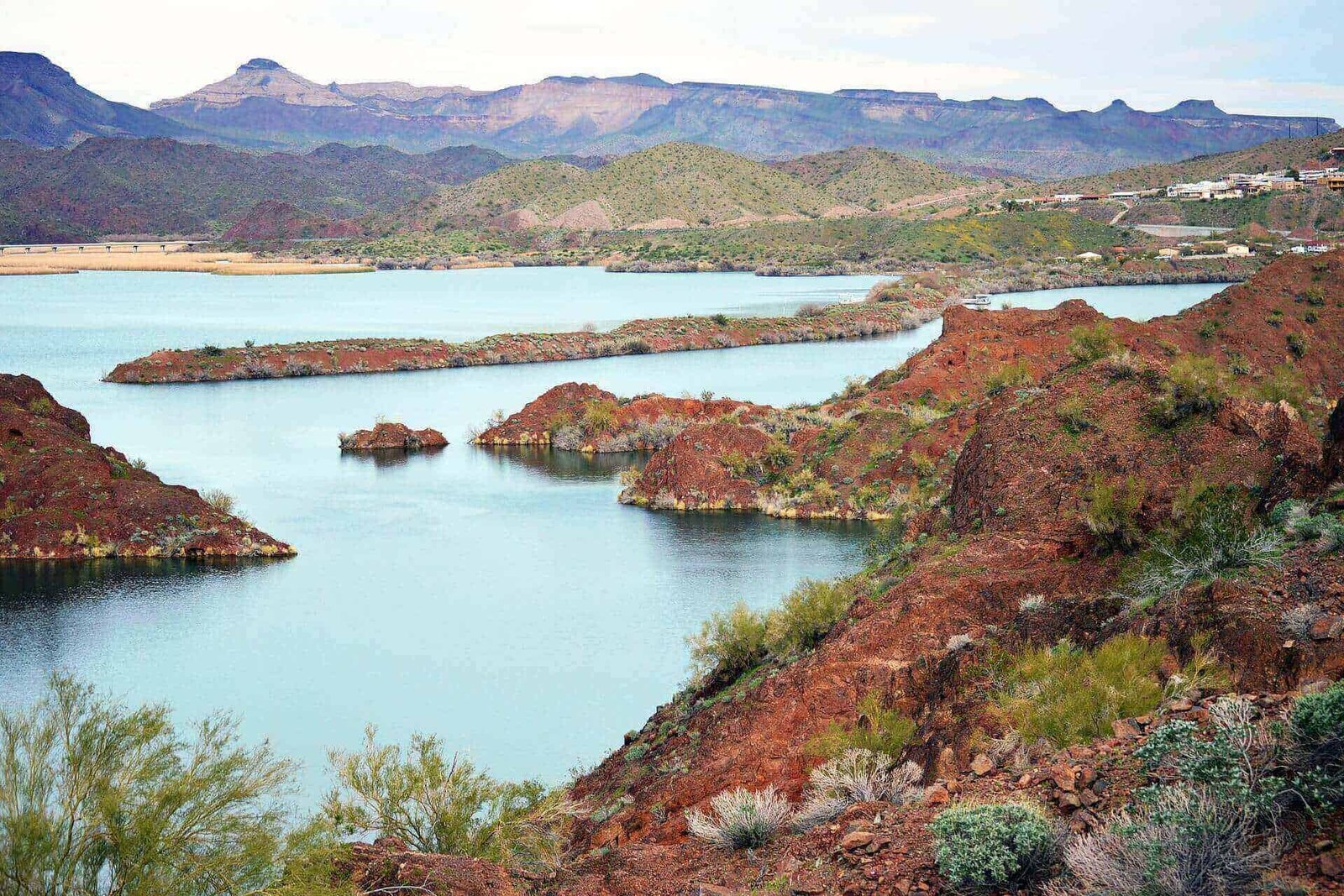
A quieter destination can offer a more personal trip, but “untravelled” is usually a marketing phrase. Places have residents, histories and daily lives before visitors arrive. Choose a less busy area because it interests you, not because you expect an untouched place without practical complications.
Define what quieter means to you
You may want fewer tour groups, a small-town base, more time outdoors or a slower daily pace. These goals do not always require remote travel. Staying longer in one neighbourhood, visiting a familiar city beyond its headline attractions or choosing an alternative day-trip base can change the experience substantially.
Compare the practical trade-offs
| Choice | Potential benefit | What to verify |
|---|---|---|
| Secondary city | A different pace and local focus | Connections and the activities you actually want |
| Rural base | More space and landscape time | Transport, meals and reception hours |
| Longer neighbourhood stay | Less time moving and more depth | Accommodation fit and access to daily needs |
| Less busy travel dates | A different atmosphere | Seasonal closures, weather and reduced services |
Research the return journey first
Check how you will reach the destination and how you will leave. A single daily connection can determine the whole itinerary. Read the actual timetable for your dates and confirm the final transfer to your accommodation. Do not assume an attractive map route has a usable public transport service.
Choose accommodation that supports the trip
Review check-in arrangements, meal options, payment methods and the host’s contact process. In a smaller place, a late arrival can be more complicated than it would be at a large city hotel. Ask clear questions and keep the agreed instructions offline.
Compare the total cost of staying there, including transport and practical supplies. A low nightly rate does not necessarily create a lower-cost holiday if you need a car or private transfers for every outing.
Give the destination enough time
A quieter place is often better experienced with fewer scheduled stops. Choose one main activity each day and allow time for a market, a local meal or an unplanned walk where appropriate. If you spend the whole visit moving between distant photo locations, you may miss the reason for choosing a slower trip.
Respect local routines
- Ask before photographing people or private spaces.
- Use marked routes and respect access restrictions.
- Check whether a cultural site has clothing or visitor guidance.
- Support local businesses in ways that suit the community and your plans.
- Avoid publicising sensitive locations simply to advertise that you found a “secret”.
Keep one flexible day or connection
Reduced services can make changes harder to absorb. Keep a practical alternative for a cancelled activity or an unavailable transfer. For an important flight, consider whether returning to a well-connected base the previous day would make the trip easier.
Try the approach in a familiar destination
You can apply this way of travelling without going far. Our Dubai itinerary includes time around the Creek and room to revisit a neighbourhood. The Abu Dhabi guide explains how fewer priorities can create a more manageable visit.
Rewritten and reviewed 19 October 2026. This is a planning approach, not a claim that any destination is undiscovered.