
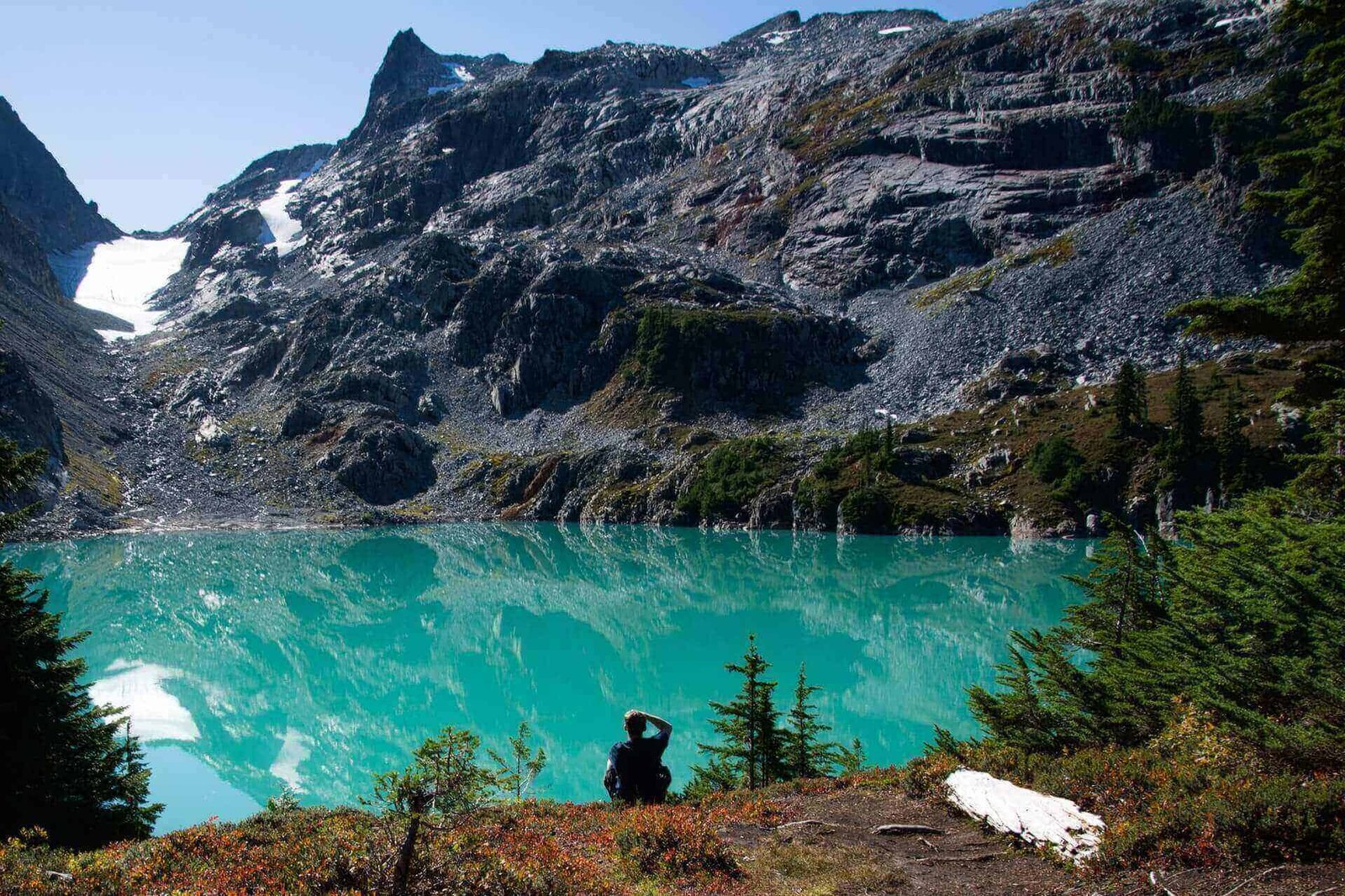
A Rocky Mountain holiday can mean many different places. This guide focuses on planning a first visit to Rocky Mountain National Park in Colorado, rather than treating the whole mountain range as one destination. Start with the season and the kind of days you want, then choose a base and a realistic route.
Decide what you want from the trip
| Trip style | Planning priority | What to avoid |
|---|---|---|
| Scenic touring | Road access, viewpoints and short stops | Assuming every high road opens year-round |
| Walking holiday | Trail conditions and suitable daily distances | Choosing a walk from photographs alone |
| Camping | Confirmed campsite arrangements and equipment | Assuming entry permission includes a campsite |
Choose the season before the route
Mountain travel depends on more than the month printed on a calendar. Road openings, weather and trail conditions can affect what is practical. Use the National Park Service’s Rocky Mountain planning information to check the season you intend to visit.
Build a second plan that does not depend on one road or trail. This could be a shorter outing, a visitor centre stop or a relaxed day near your accommodation. Keeping an alternative is more useful than filling every day with non-refundable bookings.
Understand reservations and entry
The park uses timed-entry arrangements during specified periods and hours. Requirements depend on the date and area. A reservation for one corridor should not be assumed to cover every option, and an entrance fee is a separate item to check.
Read the official timed-entry guidance for your travel dates before booking around a particular arrival time. For several park days, check the requirements for each day. Do not rely on a previous year’s timetable.
Choose a base around your plans
Compare accommodation using the route from the property to your intended entrance and first activity. Consider meal options, parking and cancellation conditions alongside the room rate. A split stay is worthwhile only if it improves the trip enough to justify packing and moving.
Build a three-day outline
- Arrival day: settle in, collect current information and keep sightseeing modest.
- Main park day: choose one priority route or outing with an alternative for changed conditions.
- Flexible day: revisit a favourite area or choose a different experience without a tight departure connection.
This is a pacing framework, not a trail recommendation. Select actual walks using official route information and conditions that match your group.
Before you leave your accommodation
- Check current park alerts and your reservation details.
- Keep the route, return plan and essential confirmations available offline.
- Review weather and trail information rather than judging conditions from town.
- Confirm any camping arrangements separately from park entry.
For another outdoor planning perspective, see our Peru camping guide. For choosing a less crowded trip without treating remoteness as a goal, read our guide to quieter destinations.
Rewritten and reviewed 19 October 2026. Check live access and reservation rules with the National Park Service for your dates.