
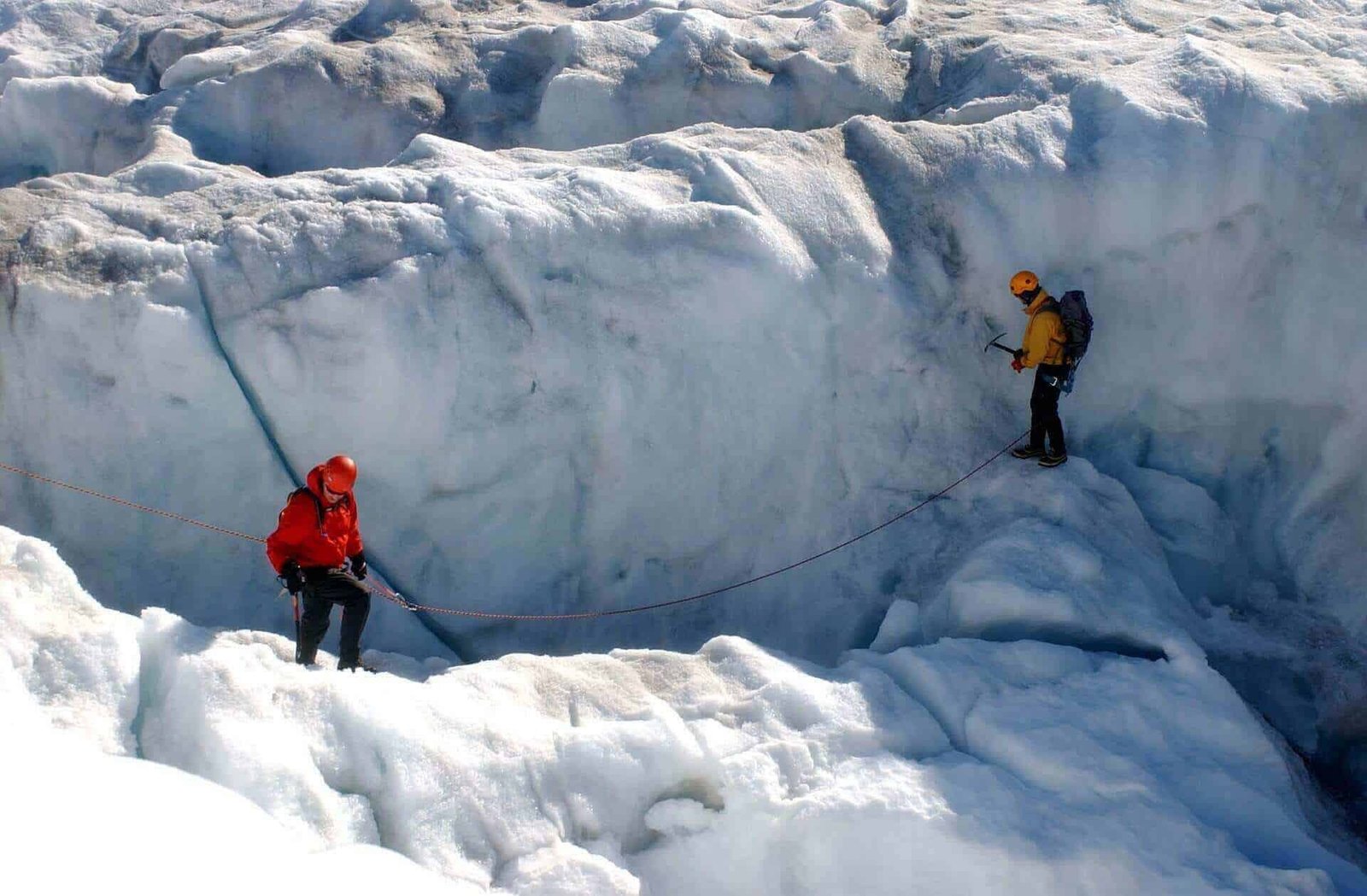
A Himalayan walking holiday and a mountaineering expedition are different trips. Before choosing a famous mountain, decide whether you want a trekking route, a guided climbing objective or a cultural journey with shorter walks. The name of the destination alone does not describe the skills, equipment or preparation involved.
Trekking versus climbing
| Trip type | Main planning question | What to clarify |
|---|---|---|
| Trek | Does the daily walking and route suit your group? | Distance, ascent, overnight stops and guide arrangements |
| Guided climbing trip | Do you meet the operator’s experience requirements? | Technical skills, equipment and preparation |
| Expedition | Is the objective appropriate for your experience? | Leadership, logistics, contingency time and permits |
Choose the route before comparing prices
Two itineraries with the same headline destination can have different daily stages and overnight arrangements. Read the detailed route, ask how changes are handled and compare the full schedule from arrival to departure. A shorter itinerary is not automatically better value.
For Nepal, use the Nepal Tourism Board’s trekking information as a starting point. Its mountaineering information explains that climbing has its own permit framework. Do not assume a trekking permit covers a climbing objective.
Verify the paperwork for the actual route
Protected and restricted areas can have different requirements. The Nepal Tourism Board publishes TIMS and guide guidance and restricted-area permit information. Ask the operator to identify the permissions relevant to your itinerary and explain who arranges each item. Rules should be checked for your departure, rather than copied from another traveller’s trip.
Questions for a potential operator
- Who leads the trip, and what experience does the leader have on this route?
- What prior experience or training is required?
- What is included in the equipment list, and what must you provide?
- What happens if the route, weather or group needs require a change?
- Which services, transfers, meals and permits are excluded from the quote?
- What are the cancellation and postponement terms?
Plan time around the experience
Leave room for preparation and route changes. Avoid connecting the scheduled end of a mountain trip directly to an inflexible international departure. Ask why the itinerary uses its particular overnight stops and rest days; do not remove them just to fit a shorter holiday.
This is a travel-planning overview, not technical climbing instruction or an individual fitness assessment. Discuss suitability with a qualified operator and obtain appropriate individual advice before committing to a demanding itinerary.
Compare the complete budget
List the expedition price, equipment, transport, accommodation outside the main itinerary and any required cover as separate items. Check the wording of insurance for the actual activities and elevations instead of relying on a general “adventure” label.
If you are still choosing your style of trip, read our guide to quieter destinations and our camping planning guide for a different outdoor experience.
Rewritten and reviewed 19 October 2026. Permits and route conditions need current confirmation for the specific itinerary.